 |
 |
 |
 |
 |
 |
 |
 |
 |
|||
 |
 |
|
|||||||
 |
|||||||
 |
|||||||
 |
|||||||
 |
|||||||
|
|||||||







|
||||||
 |
||||||
 |
||||||
 |
||||||
|






 |
 |
 |
 |
 |
 |
 |
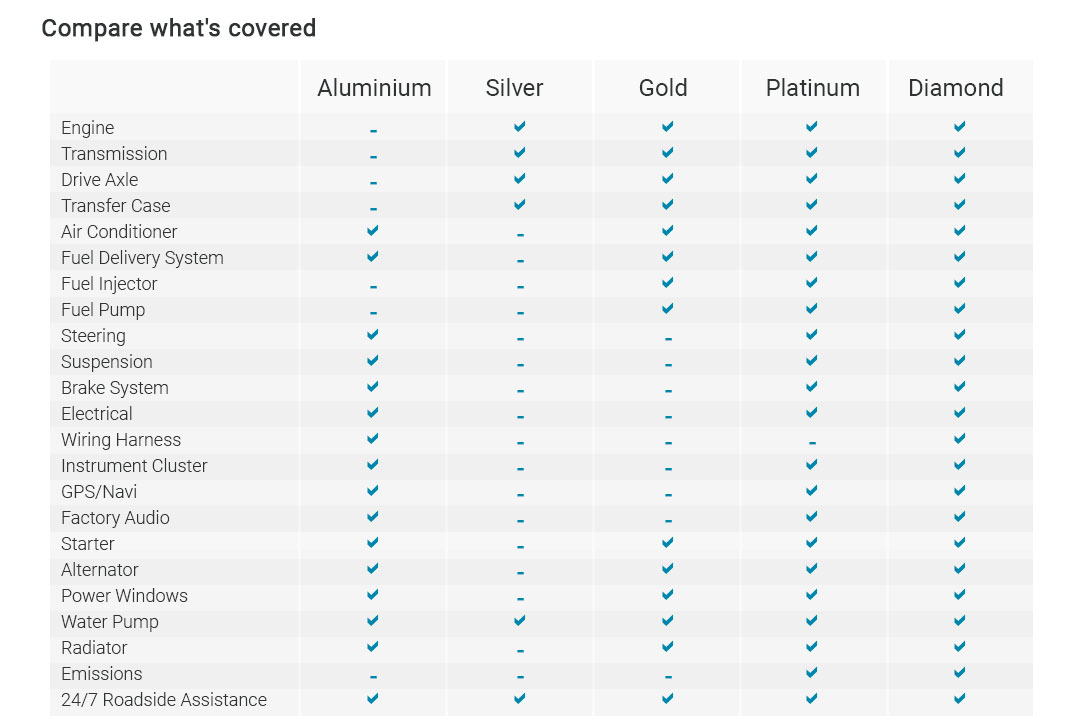
mercury mechanical insurance explained for first-time buyersWhy I started lookingA flicker of the check-engine light pushed me from wishful thinking to math. My factory warranty had ended. A shop estimated four figures for a repair I couldn't fully predict. That's what nudged me to explore mercury mechanical insurance as a buffer, not a magic wand. What it actually coversI learned it's a service contract meant to soften surprise repair bills on covered parts. Not every plan is the same, but the idea is steady.
Some people say setting aside cash beats any plan. I see why, yet I preferred spreading risk because one ugly repair would wipe out my small stash. What it doesn't
How I evaluated the quote
Costs and leversPrice flexed with vehicle age, mileage, coverage depth, and term length. Paying upfront versus monthly changed totals. I noticed that a slightly higher deductible trimmed the premium without gutting protection. My small field testTwo weeks in, my starter motor failed outside a grocery store. I called, got a tow through the plan, the shop phoned for authorization, and the claim cleared the same afternoon. I paid my deductible; they handled the rest with the shop. The rental coverage got me to a client meeting on time. Not glamorous, just quietly useful. Who it might suit
Questions I asked
Bottom lineFor me, mercury mechanical insurance turned unpredictable risk into a defined cost. It's not the cheapest path in every scenario, and I won't pretend it solves maintenance or neglect. Still, if the goal is awareness and control rather than luck, the structure helped. I started small, read every clause, and chose a tier that matched my real risk rather than my fear. If you're curious, explore a couple of tier options and run the numbers against one medium repair - then decide with clear eyes.
Main Topic:
Car Mechanical Warranty
https://wallethub.com/answers/ci/mercury-mechanical-breakdown-insurance-1000105-2140738427/
Mechanical breakdown insurance from Mercury is a good alternative to an extended warranty from the vehicle manufacturer, which might provide the ... https://mckennainsurance.com/mercury-insurance-extended-warranty/
Provides low rates on industry leading coverage to protect you from the financial loss of the mechanical breakdown of your automobile or truck. https://www.reddit.com/r/gmcsierra/comments/17gx7jv/mechanical_protection_or_extended_warranty/
I found that Mercury Insurance offers a 100k 7 yr mechanical insurance for any major mechanical needed repairs. Not bumper to bumper, just mechanical.
|
